

November 20, 2026: The entertainment industry has become increasingly comfortable returning to familiar territory. Successful films get sequels, popular characters receive spin-offs, streaming platforms extend stories into multiple seasons, and production houses look for established properties that can attract an audience. From theatrical releases to streaming premieres, the business of entertainment is increasingly built around franchises.
Yet there is a question worth asking. How many of these franchises actually make audiences excited about coming back?
The Grand Theft Auto franchise offers an interesting perspective. GTA V arrived in 2013, and its successor, GTA VI, has finally reached audiences after thirteen years. The extraordinary attention surrounding the latest release is worth examining, especially for anyone involved in making, producing, distributing or marketing entertainment.
What makes GTA interesting is the relationship it has built with its audience. People are attached to more than a particular game. They recognise its characters, its settings, its humour, its music and the personality of its fictional world. They have memories associated with it, opinions about its characters and expectations about what comes next. That kind of connection is difficult to manufacture through a marketing campaign.
For the film industry, across languages and markets, this raises an important question. Are we creating stories that audiences want to revisit, or are we simply extending successful titles because there is money to be made from another instalment?
As a regular moviegoer, I enjoy a good sequel as much as anyone. Seeing familiar characters return can be a wonderful experience. There is a certain pleasure in revisiting a fictional world that has stayed with you. However, familiarity alone cannot sustain that excitement. The next instalment needs to bring something meaningful to the table, whether through stronger storytelling, new characters, an interesting setting or a fresh perspective.
This is where GTA offers an interesting lesson. The franchise has managed to retain its identity while allowing its world to evolve. The settings, characters and experiences change, while the underlying personality remains recognisable. For filmmakers, this is an important creative balance. A franchise needs to feel familiar enough for existing audiences to reconnect, while offering something new that makes the experience worthwhile.
This applies equally to Indian cinema, international film industries, animation studios and streaming platforms. Whether it is a regional film that becomes a cultural favourite, a successful theatrical franchise or a streaming series with a devoted following, the opportunity lies in creating a world that has room to grow. Audiences should feel that there are more stories worth exploring, rather than being offered another instalment that simply repeats the previous success.
Another interesting aspect is the role of the audience in keeping a franchise alive. The GTA community has spent years discussing characters, sharing theories, creating videos, revisiting earlier instalments and introducing the franchise to new players. Much of this conversation happens without the company having to initiate every interaction. The audience has become an active participant in the franchise’s cultural life.
Entertainment businesses can learn a great deal from this. A film may enjoy a successful opening weekend, but what happens after the theatrical run? Do people continue discussing its characters? Does the music find a life beyond the film? Are viewers recommending it to friends? Does the story create enough interest for people to revisit it? These are useful questions for production houses, studios, streaming services and content creators.
GTA: The Business of Keeping Audiences Hooked for Years
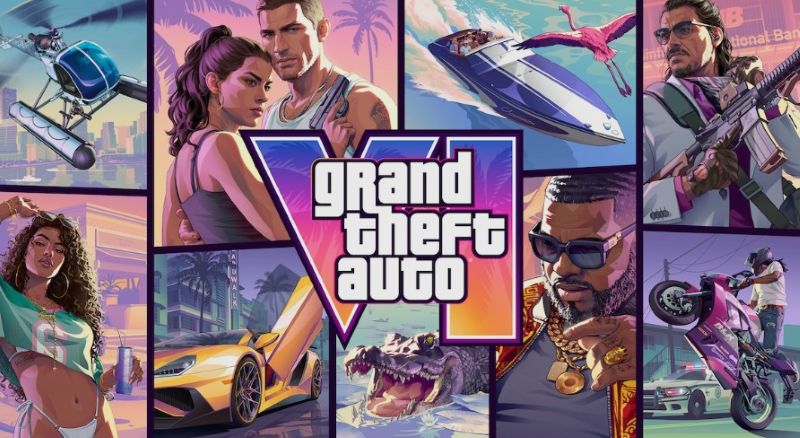
A successful entertainment property can travel across formats. A memorable story can create interest in music, merchandise, animation, documentaries, live experiences and other creative extensions. GTA VI itself has extended its entertainment presence through an official soundtrack and music partnerships, demonstrating how a major property can connect different parts of the entertainment business. The opportunity, however, comes from having a strong creative identity at the centre of these extensions.
There is also a lesson in patience. The entertainment business often works against the clock. Release calendars, production schedules, theatrical windows, platform commitments and investor expectations create pressure to deliver content regularly. In this environment, taking time to develop a sequel or a new chapter can seem like a commercial risk.
However, audiences do not necessarily measure their attachment to a franchise by how frequently a new instalment arrives. They remember the quality of the experience. The gap between two releases can even become an opportunity for anticipation, provided the earlier work has left a meaningful impression. A long wait by itself creates no loyalty. The audience must have something worth remembering.
Of course, GTA also presents a significant warning for franchise makers. When expectations build over many years, the pressure to deliver becomes enormous. Audiences bring their own memories, comparisons and ideas about what the next instalment should offer. The creative team has to respect that history while giving people a reason to embrace something new. This is a challenge familiar to anyone making a major sequel or reviving a much-loved film property.
There is another point that deserves attention. Not every successful film needs to become a franchise, and not every story needs a sequel. Sometimes the greatest value of a film lies in telling a complete story and leaving audiences with the memory of that experience. The industry should be equally comfortable creating original stories as it is extending established ones.
The real opportunity for entertainment businesses is to build lasting relationships with audiences. That requires good writing, memorable characters, distinctive worlds, strong music, creative consistency and an understanding of what makes people emotionally invested in a story. Technology, budgets and distribution can help a production reach more people, but they cannot replace the experience itself.
Across cinema, television, streaming, animation and interactive entertainment, the competition for attention is only getting stronger. There is more content available than ever, and audiences have become increasingly selective about how they spend their time. In such an environment, simply having a recognisable title may bring people in once. Giving them a world they want to return to is what creates longevity.
Perhaps the entertainment industry needs to spend less time asking what the next sequel should be and more time thinking about what makes a story worth remembering.
After all, the biggest achievement for any filmmaker or entertainment company is not simply getting an audience to watch something. It is creating something people continue talking about long after the screen goes dark.