
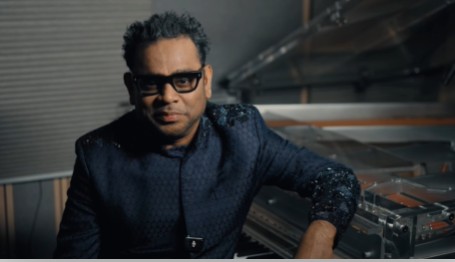
January 19, 2026: Music composer A.R. Rahman’s comments on alleged communal bias in the Hindi film industry have continued to trigger wide-ranging reactions, even as the Oscar-winning musician issued a detailed clarification reaffirming his faith in India, creative freedom and cultural unity.
Former Jammu and Kashmir Chief Minister and Peoples Democratic Party (PDP) president Mehbooba Mufti emerged as one of the prominent political voices backing Rahman. In a post on X, Mufti said Bollywood has long reflected India’s social fabric and contradictions, adding that dismissing personal experiences does not negate the realities of present-day India.
The controversy began after Rahman’s interview with BBC Asian Network, where he was asked if he ever felt marginalised in Bollywood for being a Tamil composer. While recalling that he did not sense such barriers during the 1990s, Rahman observed that shifts in power over the past several years may have altered the creative ecosystem. He suggested that non-creative decision-makers now wield greater influence, adding that the change “might be a communal thing,” though not something he faced directly.
Following sustained criticism online, AR Rahman released a video message on social media addressing the backlash. Speaking directly to fans and critics, the composer stressed that music has always been his primary language of expression and connection. He underscored that India remains central to both his personal life and artistic journey, and said he never intended to hurt sentiments.
AR Rahman Breaks Silence as Support and Criticism Continue
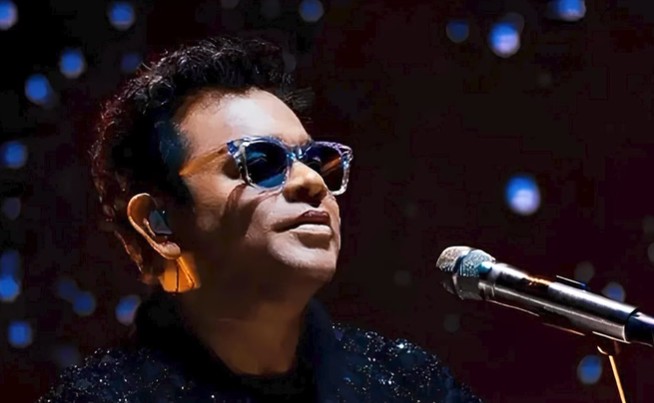
Rahman described India as his inspiration, teacher and home, noting that misunderstandings can arise even when intentions are sincere. He reiterated that his purpose has always been to uplift and honour culture through music, expressing hope that his sincerity would be understood. Calling himself fortunate to be Indian, he highlighted the country as a space that values creative freedom and celebrates diverse voices, which he said has shaped his artistic outlook.
Reflecting on his body of work, AR Rahman pointed to several projects that he believes reaffirm his commitment to inclusivity and creativity, from presenting Jala at the Wave Summit before the Prime Minister, to mentoring the Sunshine Orchestra, collaborating with young Naga musicians, building India’s first multicultural virtual band Secret Mountain, and composing music for Ramayana alongside Hans Zimmer. He concluded by expressing gratitude and reaffirming his resolve to create music that honours the past, celebrates the present and inspires the future.
The clarification prompted a public response from actor and politician Paresh Rawal, who reshared Rahman’s video and described the composer as “our pride.” While several fans welcomed the show of support, Rawal’s message also sparked debate, with some social media users questioning whether the comment was sincere or sarcastic. Others defended Rawal, urging him not to retract his words under pressure.
The discussion extended beyond social media, with veteran singer Hariharan weighing in on the broader issue. While stopping short of endorsing the communal bias claim, he expressed concern over creative decisions being driven by commercial priorities rather than artistic understanding. Hariharan warned that sidelining creativity in favour of profit could have long-term consequences for the future of music.
As reactions continue to pour in from political leaders, artists and audiences, Rahman’s remarks have evolved into a larger conversation about power, creativity and representation in Bollywood — a debate that shows no signs of fading anytime soon.