
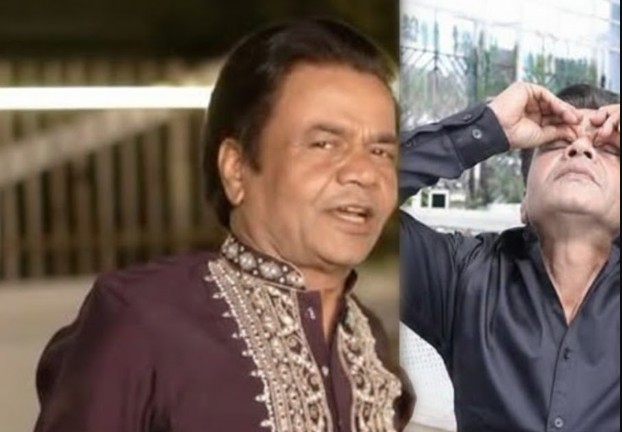
February 17, 2026: Actor Rajpal Yadav walked out of Delhi’s Tihar Jail on Monday after the Delhi High Court granted him interim bail in a long-running ₹9 crore cheque bounce case. The relief comes days after the actor surrendered in connection with unpaid dues linked to his 2012 film Ata Pata Laapata.
The court granted interim bail until March 18 after Yadav deposited ₹1.5 crore. Soon after his release, the actor addressed the media, thanking his supporters and the film fraternity. In a video shared by ANI, Yadav expressed gratitude and said he would continue to cooperate with the judiciary.
“I’m about to complete 30 years in Bollywood. The love of the people has helped me do over 200 films,” he said, adding that he has appeared whenever summoned by the court and would remain available to answer all allegations.
The Loan That Sparked a Legal Storm for Actor Rajpal Yadav
The case dates back to 2010 when Delhi-based businessman Madhav Gopal Agrawal of Murali Projects Pvt Ltd loaned ₹5 crore to Yadav to finance Ata Pata Laapata, which the actor directed and produced. According to Agrawal, the agreement clearly stated that the repayment would not depend on the film’s success or failure and that Yadav had provided a personal guarantee.
Agrawal recently broke his silence, recounting how he first met Rajpal Yadav through a mutual acquaintance. He claimed Yadav told him the film was nearly complete and urgently needed funds to avoid financial collapse. Initially hesitant, Agrawal alleged that emotional appeals from Yadav and his wife Radha eventually persuaded him to extend the loan.
When repayment deadlines passed, Agrawal said supplementary agreements were drafted three times, and new cheques were issued. However, several of those cheques were dishonoured, escalating the dispute. In 2013, he approached the court again, leading to a settlement figure of ₹10.40 crore after legal intervention. Despite this, he alleges the payments did not materialise.
At one point, Agrawal sought a stay on the film’s release, claiming that as per their agreement, he was entitled to the film’s negatives and dues upon completion. The stay was later lifted following a settlement understanding, but the film’s poor box office performance deepened the financial strain.
Conviction and Appeal
In April 2018, a Magistrate’s Court convicted Rajpal Yadav and his wife under Section 138 of the Negotiable Instruments Act after seven cheques issued to the complainant bounced. He was sentenced to six months of simple imprisonment, a ruling upheld by a Sessions Court in 2019.
The dispute, which began over a decade ago, has since wound its way through multiple legal stages. Yadav maintains that he has complied with court directives over the years and reiterated that he respects the judicial process.
Meanwhile, Agrawal has maintained that he is simply seeking the return of his money, which he says he had borrowed from others to fund the actor’s project.
As the legal proceedings continue, the case remains a stark reminder of how film financing disputes can spiral into prolonged courtroom battles, even for seasoned actors with decades in the industry.