
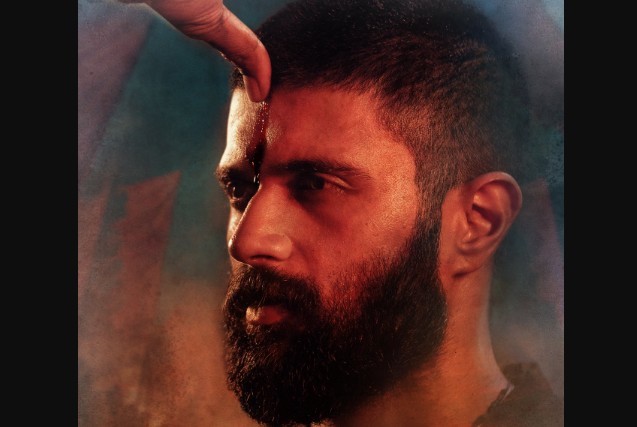
August 1, 2025: Vijay Devarakonda’s Kingdom isn’t here to overwhelm you with explosive set pieces or one-liners that beg for applause. In this movie Gowtam Tinnanuri is not trying to build a hero from dust. Instead, it carefully reveals a man who’s already broken, already trying. Vijay Deverakonda plays Soori, a police constable who steps into a dangerous world not to prove his strength, but to make peace with the ghosts that never left his home.
You expect a swaggering intro. What you get instead is a slap that lands with history, not ego. Soori strikes a fellow officer, and it’s not to show dominance. That moment opens the floodgates to a life torn by loss, betrayal, and silence. What begins as a straightforward mission soon becomes a deeply personal reckoning.
It’s tempting to file Kingdom alongside the grand operas of contemporary Indian action cinema—KGF, Pushpa, or even Devara. Yes, there’s gold smuggling. Yes, there are tribes and shadowy cartels. But Kingdom doesn’t treat these as spectacles; they’re symptoms of a world out of balance.
The real battle lies within Soori himself. His older brother Siva (Satyadev) vanished years ago, and now, caught in a web of underground alliances and tribal secrets, Soori must confront not just his brother, but the boy he once was, the one who still looks for answers.
Vijay Deverakonda’s Kingdom Balances Rage with Regret
Tinnanuri doesn’t flood the screen with overblown theatrics. The world of Kingdom feels tactile and subdued, even as it sprawls from police stations to tribal settlements, from urban ruins to forested no-man’s lands.
The visuals, shot by Girish Gangadharan and Jomon T. John, balance grit with texture. There’s no glamour here, only bruised earth and haunted eyes. Naveen Nooli’s editing moves briskly but doesn’t undercut emotion. The camera lingers just long enough to let us sit with Soori’s pain, his hesitation, his growing clarity.
There’s a subtle thread of political and social commentary running through Kingdom. It references past political unrest, ideological fractures, and the uneasy relationship between authority and identity. But it doesn’t lecture. Instead, it lets lived experiences do the talking. A missing brother, a manipulated tribe, a culture misread by outsiders, these are not narrative devices, but echoes of very real fault lines in the nation’s story.
Deverakonda tones down the flash and dials up the ache. His Soori is wounded, reserved, and occasionally reckless, but always believable. Gone are the overt “mass hero” tropes. His performance is more about restraint than power. He carries the weight of the film quietly, and when he finally speaks, whether in confrontation or confession, it lands.
Satyadev, as the estranged brother, brings gravity and sorrow. Their scenes together have genuine weight, especially in the third act, where years of pain and love crash into one another without melodrama.
Kingdom takes its time. Some might say too much. The film is patient with its characters and meticulous in its plotting, which may not suit those expecting high-octane rhythm throughout. The final 30 minutes, though, reward the investment with emotional payoff and tightly staged confrontations.
Still, the film doesn’t end with triumphant music or patriotic declarations. It closes in ambiguity, with the sense that healing, personal and communal, is still a work in progress. And maybe that’s the most honest note a film like this can end on.
If you’re looking for a typical action entertainer with whistles and war cries, Kingdom may not fully meet those expectations. But if you appreciate character-driven storytelling that blends personal grief with social stakes, Gowtam Tinnanuri’s film has something to say, and says it with control, empathy, and purpose.
It’s not the loudest film of the year, but perhaps one of the most emotionally grounded.