September 2, 2025: Not all heroes wear capes. And in the case of Lokah Chapter 1: Chandra, the protagonist doesn’t need one. She’s armed with purpose, mythology, and a fierce sense of agency.
Malayalam cinema has long been known for its grounded storytelling, often shying away from the spectacle-driven format that dominates mainstream Indian cinema. But with Lokah, the industry has taken a bold step into unfamiliar terrain, and landed on its feet.
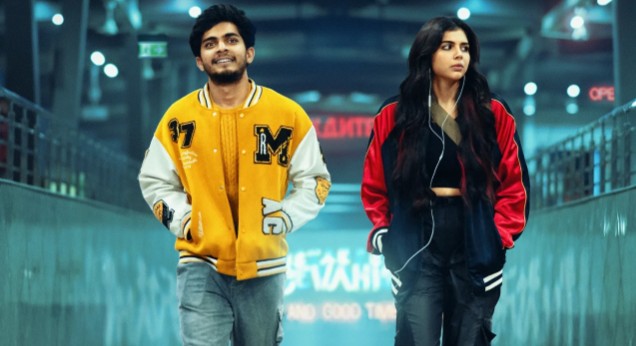
Directed by Dominic Arun, Lokah marks a genre shift not just in Kerala’s film circles but also across Indian cinema: it’s the country’s first homegrown female-led superhero film in a regional language to dominate the box office. And it did so not quietly. The film, starring Kalyani Priyadarshan as Chandra, has outpaced the much-anticipated Hridayapoorvam, headlined by industry giant Mohanlal.
Box Office Surprise or Inevitable Evolution?
By Day 5, Lokah had raked in ₹30 crore. For a film not built on traditional star power or franchise nostalgia, this is no small feat. But more than the numbers, it’s the cultural shift the film signals that feels significant.
We’ve long celebrated heroes who come from faraway galaxies, lab accidents, or mysterious organizations. But Lokah plants its roots firmly in home soil. It draws from Kerala’s own folklore, particularly the legend of Kalliyankattu Neeli, blending the mythical with the modern. This smart narrative choice turns the genre inside out.
Chandra, the Hero We Didn’t Know We Needed
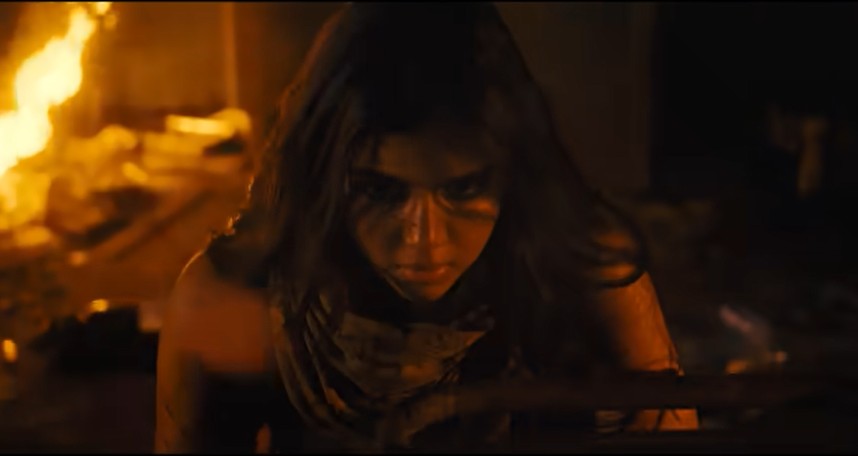
Chandra isn’t just a “female version” of an existing archetype. She’s her own kind of force. She jumps into action without waiting for validation. She doesn’t have to be rescued; she is the rescue. Played with quiet intensity and visible grit by Kalyani Priyadarshan, Chandra is a character who moves through her world with purpose, not apology.
While superhero films often lean into spectacle, Lokah finds its power in rootedness. It’s a story that doesn’t run from its cultural identity, it embraces it. And this is what separates Lokah from the many caped crusader films audiences have grown used to.
11-year-old Durga C Vinod, who plays young Neeli in the film, also deserves a special mention. Her performance anchors the flashback portions with emotional weight, adding depth to the folklore that underpins the universe.
Yes, Lokah features a female lead, but its achievements go far beyond representation. The film introduces a full-fledged cinematic universe, what the creators are calling a “Lokahverse”, that begins with Chandra but promises to include multiple characters across films. Interestingly, this universe could also pull in senior male actors later, not to lead but to expand the world Chandra helped create.
This is not tokenism. This is structural change in how narratives are built.
Where most Indian superhero films have leaned heavily on Hollywood templates, Lokah dares to tell a familiar story in a local voice. That authenticity is what seems to be resonating. It’s not trying to be Marvel or DC. It’s trying to be Malayali. And it succeeds.
A Tale of Two Films: ‘Lokah’ vs ‘Hridayapoorvam’
It’s not often that a female-led superhero film opens alongside a Mohanlal release, and wins. While Hridayapoorvam sticks to the tried-and-tested formula of a family comedy drama, Lokah asks its audience to try something new. The comparison isn’t about which film is better, but rather, what audiences are looking for.
Do they want comfort, or do they want curiosity?
This box office moment suggests they want both, but are increasingly willing to put money behind stories that challenge norms.
Lokah’s success is a signal flare. It tells writers, producers, and studios that audiences are ready to invest in female-led stories, even in genres where they’ve historically been sidelined. It also reinforces a quiet truth: risk-takers in cinema aren’t just gamblers; they’re often the ones rewriting the rules.
With Lokah, Malayalam cinema hasn’t just launched a new superhero. It’s launched a new way to think about storytelling—one where mythology and modernity aren’t at odds, but partners.
In the world of Lokah, heroes can wear sarees. They can punch, protect, and prevail, and still hold on to the past that shaped them.
If this is just Chapter One, the rest of the Lokahverse might be worth staying tuned for.