
Thursday, June 18, 2026: Main Vaapas Aaunga is being discussed through two distinct lenses, and together they reveal why the film is resonating beyond its box office performance.
The first interpretation sees the film as a political and cultural intervention. Here, the Partition is not treated as a historical event frozen in 1947 but as a living wound that continues to shape contemporary India. The review argues that the film’s boldest achievement is not its romance, music, performances, or visual craft, though all receive praise—but its refusal to normalize communal division. By presenting hatred and separation as collective madness rather than destiny, the film challenges narratives that thrive on identity-based distrust. In this reading, Imtiaz Ali is less interested in nostalgia and more interested in asking whether history is being remembered correctly.
The second interpretation shifts from politics to personal tragedy. Instead of focusing on nations, borders, or ideologies, it examines a single decision that destroys two lives. The central insight is striking: Keenu’s greatest loss is not something history took away from him; it is something he abandoned himself. The missed reunion becomes the emotional core of the film. Partition creates the circumstances, but pride, anger, and hesitation create the tragedy. What follows is a lifetime of self-punishment disguised as longing.
What makes the Main Vaapas Aaunga Interesting is how two ideas intersect.
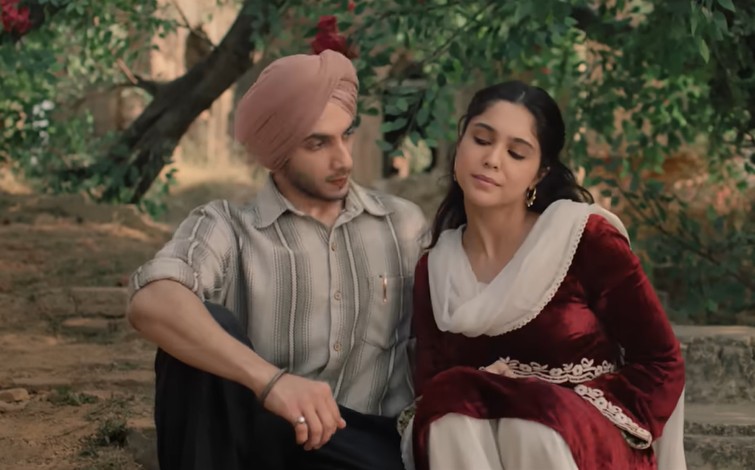
On one level, it is about countries divided by a line on a map. On another, it is about two people divided by a moment of emotional failure. The film suggests that history’s biggest tragedies and personal heartbreaks often begin the same way: someone chooses separation over understanding.
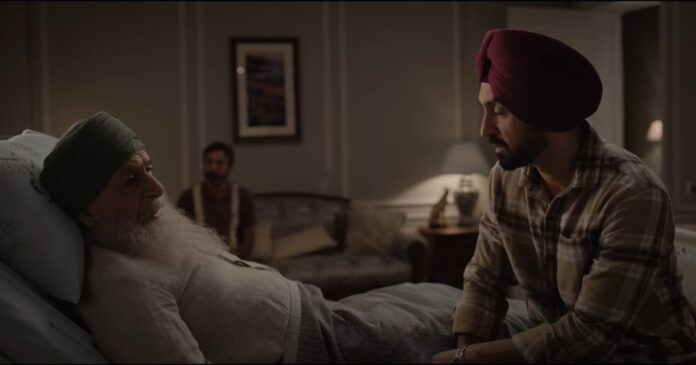
Naseeruddin Shah’s performance appears to be the bridge between these worlds. His aging Keenu carries not only the memory of a lost lover but also the burden of an unresolved past. The dementia, the yearning, and the repeated desire to return are not merely plot devices—they symbolize a generation unable to fully leave behind what Partition fractured.
The most compelling aspect of Main Vaapas Aaunga is that it resists easy closure. Modern cinema often rushes toward reconciliation, but this film chooses uncertainty. The lovers do not truly reunite. The historical wounds do not magically heal. The audience is left with a question rather than an answer: what happens when societies keep feeding old grievances instead of learning from them?
That choice may frustrate viewers seeking catharsis, but it is precisely what gives the film its staying power. The story understands that some losses cannot be repaired; they can only be remembered honestly.
Ultimately, Main Vaapas Aaunga works best not as a romance, a Partition drama, or a political statement alone. It succeeds because it combines all three into a meditation on memory, regret, and the consequences of walking away when love demands courage.
Should you watch it?
A rare Hindi film that uses a personal love story to explore larger questions of history, identity, and accountability. Its emotional power lies not in reunion, but in the unbearable weight of a missed chance.