
Tuesday, June 23, 2026: Biopics often arrive carrying familiar promises, struggle, sacrifice, success. The first teaser of Shraddha Kapoor’s Eetha suggests this film may be aiming for something deeper.
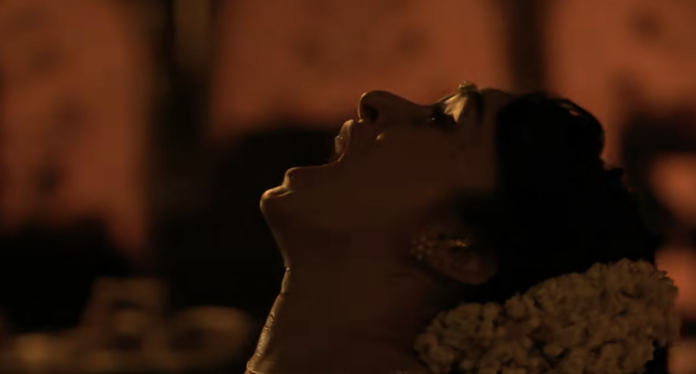
Unveiled this week, the teaser introduces audiences to the world of legendary Tamasha and Lavani performer Vithabai Bhau Mang Narayangaonkar, one of Maharashtra’s most celebrated folk artists. But instead of opening with applause and fame, the teaser chooses a more striking moment , a woman in labour backstage while an impatient audience waits for her to take the stage.
It’s a scene designed to make viewers uncomfortable. As people repeatedly ask where Eetha is, the camera cuts to Shraddha Kapoor’s Vithabai enduring childbirth behind the curtains. The moment could have easily slipped into melodrama. Instead, it becomes the emotional foundation of the teaser.
The defining moment arrives when she refuses to abandon the performance despite warnings about the risk to her life. Her declaration , that dying while dancing would make her a legend rather than a victim, instantly transforms the teaser from a period drama into a story about obsession, identity and purpose.
What stands out most is the confidence of the storytelling. Director Laxman Utekar appears less interested in presenting a conventional rise-to-fame narrative and more focused on capturing the mindset of a performer whose art came before everything else. The teaser doesn’t spend time explaining Vithabai’s legacy. Instead, it trusts the audience to feel it.
For Shraddha Kapoor, this could be one of the most important roles of her career.
Eetha Teaser Places Shraddha Kapoor at the Heart of a Performer’s Struggle
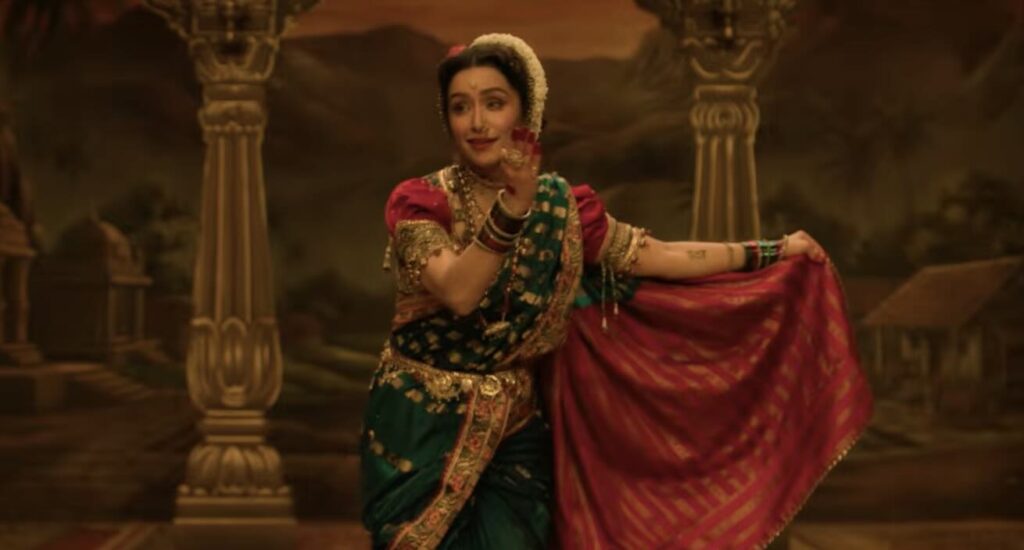
The actress has built a successful commercial filmography, but Eetha looks like a departure from the familiar territory audiences associate her with. In the teaser’s brief runtime, she sheds star mannerisms and disappears into a character driven by grit, vulnerability and fierce conviction. It’s too early to judge the full performance, but the first impression is undeniably strong.
Visually, the film appears rich without becoming excessive. The Lavani sequences burst with colour and energy, while the quieter moments carry the weight of a woman constantly fighting personal and societal battles. There is a lived-in authenticity that helps the world feel grounded rather than staged.
Perhaps the biggest achievement of the teaser is that it sparks curiosity beyond the central performance. It introduces many viewers to a cultural icon whose story has rarely been told on this scale, while shining a spotlight on Maharashtra’s Tamasha tradition.
That is not an easy balance to strike. A great teaser doesn’t reveal the story. It reveals the stakes. Eetha succeeds because it makes audiences understand what was at stake for Vithabai every time she stepped onto a stage. Fame was part of the journey. Survival was too.
If the film can sustain the emotional intensity and conviction shown in these first few minutes, Eetha may end up being remembered as far more than another biographical drama. It could become one of the year’s most compelling performances and one of Hindi cinema’s most meaningful tributes to a forgotten cultural legend.